1250 S Capital of Texas Hwy Building 3, Suite 4 Unit 443, Austin, TX, 78746
Bonded & Insured
West Austin

West Austin Foundation Repair Built for Hill Country Rock and Blackland Clay

Foundations around here take a beating. A hillside lot in West Lake Hills sits on thin soil over fractured limestone, often on a cut-and-fill pad that's been settling since the 1970s. A few miles east, deep Blackland clay shrinks through a 100°F August and swells again after one Flash Flood Alley downpour. Either way, you end up with stair-step cracks in the brick, doors that stick, and a slab or crawl space that won't stay put. West Lake Hills Foundation Repair diagnoses what's actually moving your home and why. Then we fix it with a repair matched to the ground underneath.

We work on 1930s pier-and-beam bungalows in Tarrytown and Clarksville, mid-century split-levels in Rollingwood and Rob Roy, and post-tension slab homes from Cedar Park to Buda. Each part of town fails differently. Old cedar posts rot, hillside fill creeps downslope, and clay heaves under newer tract slabs. We know which problem to look for in each place. We'll also tell you honestly whether you need a repair now or whether monitoring makes more sense.

  • Bonded foundation repair contractor
  • Fully insured crews and job sites
  • Financing available on qualifying repairs
  • Slab and pier-and-beam specialists
Free Estimate

Request Your Free Estimate

No obligation. Fast, honest quotes.

Prefer to talk? Call (817) 952-6871 — your details are never shared.

Credentials & Certifications BondedInsuredFinancing Available
What We Do

Foundation Repair Services for Slab and Pier-and-Beam Homes

We don't apply one product to every house. We match the repair to your soil, your foundation type and your lot. A Rollingwood split-level on limestone needs a different fix than a Pflugerville slab on deep clay. Here's what we offer and where each service fits.

★ Specialty

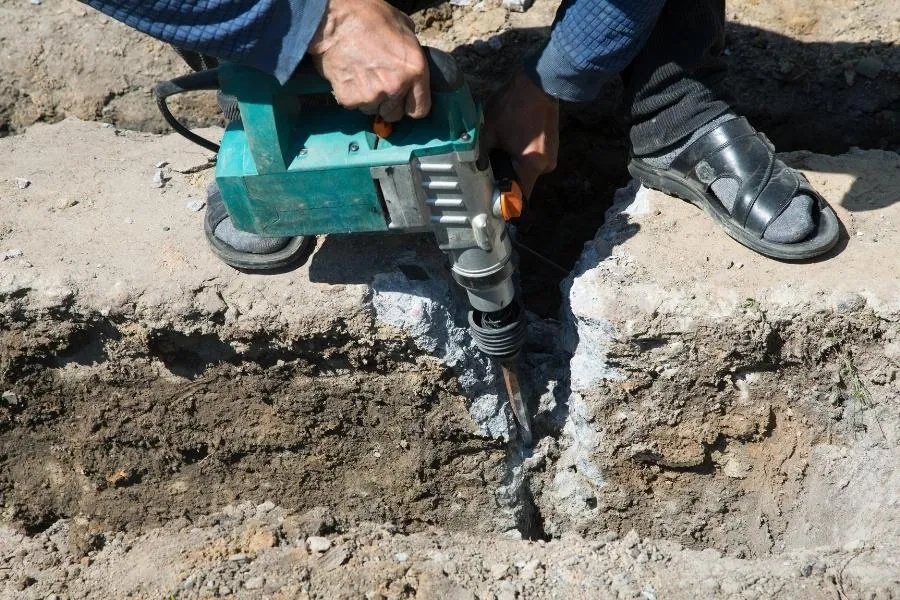
Structural Foundation Repair

We stabilize and lift foundations that have actually moved. That means installing piers, restoring support and correcting the conditions that caused the movement in the first place.

We use pressed pilings, drilled concrete piers or piers seated on limestone, depending on soil depth. Lifting is controlled with elevation readings before and after, and we coordinate engineer involvement and permits when required.

On Hill Country lots in West Lake Hills and Lakeway, piers often stop at limestone. In clay areas like Pflugerville and Del Valle, they must go below the active zone, which is often deeper than 10 feet. On tight, treed lots, we plan the layout around access limits and protected trees.

Best for: Homes with measurable settlement or heave, widening cracks, failed earlier repairs, or a buyer's inspection report flagging structural movement.

Explore
★ Specialty

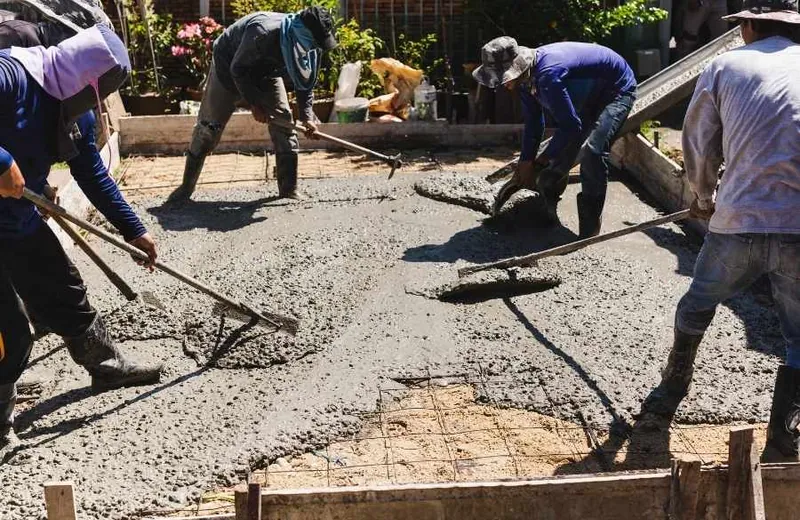
Foundation Inspection

We do a thorough evaluation of your foundation's condition: elevation survey, crack mapping, drainage review and a look at trees and plumbing. You get an honest answer about whether to repair now, monitor, or do nothing.

We take digital elevation readings across the floor and check doors, windows, veneer and the crawl space. We note grading and gutters, and we explain the findings in plain language. We can coordinate a structural engineer's report when needed.

This is especially useful for newcomers who aren't sure if a summer crack is seasonal, and for sellers and buyers in Austin's fast market who need clear documentation before closing.

Best for: Home buyers and sellers, owners seeing new cracks after a hot summer, and anyone who wants a second opinion before paying for repairs.

Explore

Home Foundation Repair

We provide complete residential repair for slab and pier-and-beam houses, from a few piers on one corner to whole-house stabilization, and we protect landscaping and finishes as we work.

We plan pier layouts around flooring, hardscape and trees. We use interior or exterior access as conditions allow, clean up daily and review the finished work with you.

Our work ranges from Tarrytown cottages to Northwest Hills ranch homes and Cedar Park tract houses. Owners of high-end homes in Rob Roy and Lost Creek count on minimal disruption to finishes and landscaping.

Best for: Homeowners anywhere in our service area with cracking, sloping floors or sticking doors caused by foundation movement.

Explore

Crawl Space Repair

We restore failing supports under pier-and-beam homes. That includes rotted posts, sunken piers, sagging beams and the moisture problems that cause them.

We replace posts and piers with concrete supports, sister or replace beams, re-shim to level, and improve crawl space ventilation and drainage so water doesn't pool after storms.

These repairs are essential for 1920s–1950s homes in Clarksville, Bryker Woods and Pemberton Heights. We keep historic exteriors and skirting intact wherever possible to avoid triggering historic review.

Best for: Older raised homes with bouncy or sloping floors, musty crawl spaces, visible rot or failed shim jobs.

Explore

Concrete Foundation Repair

We repair the slab itself: structural cracks, broken corners, damaged grade beams and exposed or corroding post-tension tendon ends.

We use epoxy injection, structural crack stitching, corner rebuilds and tendon-end protection. We repair the concrete after stabilization so the fix lasts.

This is common on 1990s–2020s post-tension slabs in Cedar Park, Round Rock and Buda, where corner pops and rusting tendon ends show up as homes age.

Best for: Slab homes with visible concrete damage, whether or not pier work is also needed.

Explore

Foundation Restoration

We take on comprehensive projects that bring an older or neglected foundation back to sound condition, combining stabilization, support replacement, drainage and concrete repair.

We start with a phased plan based on a full evaluation, then do the structural work, followed by drainage correction and finish repairs, with documentation at each stage.

This fits historic Old West Austin homes and mid-century West Lake Hills houses that have seen decades of movement and earlier patch repairs.

Best for: Older homes, estate or renovation purchases, and properties with several overlapping foundation problems.

Explore

Foundation Patching

We handle small-scale repairs to minor slab cracks, spalled edges and surface damage that aren't structural but shouldn't be ignored.

We clean, seal and patch with materials suited to Austin's heat. We'll tell you plainly if a crack is cosmetic and when it's worth monitoring instead.

Patching is useful for garage slabs and exposed edges in Jollyville, Wells Branch and newer subdivisions where shrinkage cracks are common.

Best for: Hairline and minor cracks with no offset, chipped edges, and pre-sale cleanup of cosmetic slab damage.

Explore

Commercial Foundation Repair

We stabilize and repair foundations for retail, office, multifamily and light commercial buildings across greater Austin.

We schedule around business hours, stage equipment to keep entrances open, and coordinate with property managers, engineers and the local permitting office.

We serve strip centers and offices from Bee Cave to Round Rock, which face the same clay heave and hillside settlement as homes, along with stricter tenant and access demands.

Best for: Property owners and managers dealing with slab cracking, door misalignment or settlement in commercial buildings.

Explore
Know The Signs

Common Foundation Problems in West Austin and the Hill Country

Most of the foundation trouble we see around Austin traces back to a few causes: soil that moves, water that goes to the wrong place, and building materials that have simply worn out. Below are the problems we diagnose most often, how to spot them, and how urgent each one usually is.

Hillside Fill Settlement and Slope Creep Serious

Many hillside homes sit on a pad that's partly cut into rock and partly built up with fill. The fill side compresses and creeps downhill over the years while the cut side stays put. One part of the foundation drops and the rest doesn't, and the home cracks along that line.

Why it's common here

West Lake Hills, Rollingwood, Rob Roy and Davenport Ranch were built on steep limestone terrain. Builders leveled lots by moving rock and soil downhill, and fill compaction standards in the 1960s–1980s were often loose. Decades of intense rain have worked water into that fill and through the fractured limestone beneath it. Each heavy storm moves a little more material downslope. Live oak roots and poor drainage on these lots speed up the process, so the downhill corner of the house is usually where the problem shows up first.

Signs you'll notice
  • Cracks that widen toward the downhill side of the house
  • Gaps between exterior walls and the patio or driveway
  • Floors that slope toward the low side of the lot
  • Leaning or bulging retaining walls nearby
  • Doors on the downhill side that won't latch
  • Separating brick or Austin limestone veneer at corners
Local patterns

This is most common in split-level and multi-level homes in West Lake Hills, Rollingwood, Davenport Ranch, Lost Creek and Steiner Ranch. Downhill corners and walkout levels usually show it first. Symptoms often speed up after wet springs that follow a drought.

Our fix: Piers driven or drilled to competent limestone along the settling side, then careful lifting where it's safe. Drainage correction comes next so water stops undermining the fill.

Expansive Clay Heave and Shrinkage Serious

High-plasticity clay swells when it's wet and shrinks when it's dry. A slab sitting on this clay rises and falls with the seasons, and it rarely moves evenly. The perimeter usually dries faster than the center, which leaves the slab cupped or domed.

Why it's common here

East and southeast of the Balcones Escarpment, Blackland Prairie and Houston Black clays run deep, so the active zone often extends 10 feet or more. Austin's swing from 100°F droughts to flash floods makes the cycle severe. In a dry August, soil pulls away from the slab edge. A week of heavy rain makes it swell back. Tract slabs in Pflugerville, Del Valle and Wells Branch go through this every year, and the damage builds over time.

Signs you'll notice
  • Cracks that open in summer and partly close after rain
  • Visible gaps between soil and slab edge during drought
  • Diagonal drywall cracks above doors
  • Cracked floor tile running across a room
  • Baseboards separating from the floor
  • Windows that stick seasonally
Local patterns

This is most common in Pflugerville, Del Valle, Wells Branch, Manor-side Round Rock, and parts of Buda, Manchaca and South and East Austin. New cracks spike after record-heat summers, followed by heave complaints after fall rains.

Our fix: Pressed pilings or drilled piers set below the active clay zone, often 10+ feet. Then lifting and moisture management to reduce future seasonal swings.

Failing Piers and Rotted Posts Under Pier-and-Beam Homes Moderate

Older raised homes rest on beams supported by cedar posts, block stacks or shallow concrete piers. Over time, wood posts rot, piers sink or tilt, and shims crush or slip. The floor above starts to sag or bounce.

Why it's common here

Tarrytown, Clarksville, Old West Austin and Bryker Woods have a large stock of 1920s–1950s pier-and-beam bungalows. Many still sit on original supports. Crawl spaces in these neighborhoods often have poor ventilation and drainage, so humidity and standing water after storms speed up rot. Shallow piers also move with clay pockets under the house. Prior owners' quick shim jobs often failed years ago.

Signs you'll notice
  • Sloping or bouncy floors
  • Gaps between floor and baseboard
  • Interior doors swinging open or shut on their own
  • Cracked plaster in older walls
  • Musty odors from the crawl space
  • Visible rot or tilting posts under the house
Local patterns

We see this constantly in Tarrytown, Clarksville, Pemberton Heights, Bryker Woods and Old West Austin. Historic homes often need repairs that won't change the exterior or skirting, since that can trigger historic review.

Our fix: Replace failed posts and piers with concrete supports, add or replace beams, re-shim to level, and correct crawl space drainage and ventilation.

Under-Slab Plumbing Leaks Serious

Water leaking from drain or supply lines beneath a slab saturates the soil under the house. Clay swells in that spot and fill washes out, creating localized heave or settlement in the middle of the home.

Why it's common here

Many pre-1980s homes in Northwest Hills, Barton Hills and Shady Hollow still have original cast iron drain lines, which corrode and crack after decades. Foundation movement also stresses pipes, so leaks and movement often feed each other. On limestone lots, leaking water can travel through fractured rock and cause problems well away from the leak itself.

Signs you'll notice
  • Unexplained spike in the water bill
  • Warm or damp spots on the floor
  • Mildew smell or lifting flooring
  • Interior cracks with no exterior cracks
  • Slow or gurgling drains
  • Floor humps in the middle of the house
Local patterns

This is common in 1960s–1980s slab homes in Northwest Hills, Barton Hills, Zilker and Shady Hollow. Owners with high-end finishes usually choose tunneling over breaking through the floor.

Our fix: Confirm the leak with plumbing testing, access the line by tunneling where practical, then repair the soil and foundation damage it caused.

Concrete Slab Cracks and Surface Damage Minor

Not every crack means structural failure. Shrinkage cracks, spalling edges and cracked corner wedges are common in concrete. If they're left open, though, they let in water and pests, and they can get worse.

Why it's common here

Austin's heat cures and dries concrete quickly, and that causes hairline shrinkage cracks in many slabs. Temperature swings and seasonal soil movement then widen them. Corner pops are common in post-tension slabs in Cedar Park and Round Rock where the tendon ends are poorly protected, and the exposed ends rust.

Signs you'll notice
  • Hairline cracks in garage or exposed slab
  • Broken triangular slab corners
  • Spalling or flaking concrete at the edge
  • Rust stains near the slab edge
  • Cracks narrower than about 1/8 inch with no offset
Local patterns

This shows up often in garages and slab edges of 1990s–2020s tract homes in Cedar Park, Round Rock, Jollyville and Buda. Rust at post-tension tendon ends is a particular concern in older PT slabs.

Our fix: Seal or epoxy-inject cracks, patch spalled areas, repair broken corners and protect exposed tendon ends. We'll also tell you if monitoring makes more sense.

Tree Root Moisture Loss Moderate

Large trees pull a lot of water from the soil. When their roots reach under a foundation, they dry out the soil beneath one section. That part of the home settles while the rest stays put.

Why it's common here

West Austin is known for mature live oaks and cedar elms, and many are protected or heritage trees that can't simply be removed. In drought years like 2011 and 2023, those roots went after every bit of moisture under nearby slabs. Watering restrictions limit how much owners can water near the foundation to offset it.

Signs you'll notice
  • Cracks concentrated on the side near a large tree
  • Settlement that worsens in late summer
  • Soil pulling away from that side of the slab
  • Surface roots near the foundation
  • Sticking doors on the tree side
Local patterns

This is typical in Tarrytown, Pemberton Heights, West Lake Hills and Rollingwood, where heritage oaks shade older homes. Pier placement often has to follow root-zone protection rules or an arborist's recommendations.

Our fix: Pier the affected side using layouts that protect root zones, and consider root barriers or moisture management where permitted.

Retaining Wall Failure and Erosion Emergency

On sloped lots, retaining walls hold back the soil that supports patios, driveways and sometimes the house itself. When a wall leans, cracks or washes out, the soil behind it moves, and so does anything resting on it.

Why it's common here

Lakeway, Hudson Bend, Bee Cave and Lake Austin shoreline lots are steep. Flash flood rainfall puts heavy runoff and water pressure behind walls that were often built without enough drainage. Erosion along lakefront and hillside properties can undermine foundations within a few storm seasons.

Signs you'll notice
  • Wall leaning outward or bowing
  • Cracks or separated blocks
  • Soil washing out at the base
  • Water seeping through the face after rain
  • Sinking patio or pool deck above
Local patterns

This is most common on lake and hillside lots in Lakeway, Hudson Bend, Bee Cave, Steiner Ranch and along Lake Austin. Shoreline work may involve LCRA or city lakefront rules.

Our fix: Stabilize immediately if the house or structures are at risk. Then add drainage, underpin affected foundation areas and coordinate a wall rebuild.

Waterproofing

Foundation-Focused Waterproofing in West Austin

West Austin sits in Texas' Flash Flood Alley. Long, dry triple-digit summers end in sudden downpours that overflow gutters and send water across hillside lots, into fractured limestone and under slabs and crawl spaces. In Tarrytown, Clarksville and Bryker Woods, older pier-and-beam bungalows with poorly ventilated crawl spaces trap that moisture. Over time it rots cedar posts and weakens beams. On the sloped cut-and-fill pads of West Lake Hills and Rollingwood, runoff that isn't controlled can wash out fill and speed up settling. West Lake Hills Foundation Repair treats waterproofing as part of protecting your foundation. We start with an honest assessment of where the water comes from and how it moves around your home. Then we recommend practical fixes like crawl space moisture control and drainage corrections so your structure stays dry and stable through every swing from drought to downpour. Some drainage or grading changes may need HOA or city sign-off, and we'll help you plan for that.

  • Moisture and drainage assessment for slab and pier-and-beam homes
  • Crawl space moisture control to protect beams, joists and piers
  • Drainage solutions for runoff on sloped and cut-and-fill lots
  • Fixes aimed at limiting soil swings from wet to dry next to the foundation
  • Honest recommendations designed to last through Austin's flash-flood seasons
Structural Engineering

Thorough Structural Assessment Support in West Austin

Foundation work in West Austin often depends on structural input. The City of Austin generally requires a building permit for foundation repair, and it often calls for a structural engineer's letter or design. For a real estate sale, a post-repair engineer's letter can make a big difference. Homes here vary a lot: 1920s pier-and-beam cottages in Old West Austin, mid-century split-levels on cut-and-fill pads in West Lake Hills, and post-tensioned slabs on steep limestone lots. Because of that, every diagnosis has to be specific. West Lake Hills Foundation Repair starts with a careful inspection that documents cracks, floor slopes, sticking doors and signs of drainage problems. We explain what we find clearly so you understand the structural picture before any repair begins. We also help you through the engineering and permitting steps your project may need. That includes jurisdictions like West Lake Hills and Rollingwood, historic-district review, and tree-protection rules near mature live oaks.

  • Detailed foundation inspections documenting cracks, slopes and movement
  • Clear, honest explanations of structural findings before work starts
  • Guidance on when a structural engineer's letter or design may be required
  • Help navigating City of Austin, West Lake Hills and Rollingwood permitting
  • Repair planning that accounts for protected trees and historic-district rules
Transparent Pricing

Foundation Repair Cost in West Austin

Foundation repair costs in the Austin area vary widely. A pier-and-beam re-shim might cost a few thousand dollars, while whole-house stabilization on deep clay costs much more. These are the factors that drive your price, plus realistic ranges for common local projects.

Typical Project

Pier-and-beam re-level in a Tarrytown bungalow

1930s home, ~1,400 sq ft; replace rotted posts, add concrete piers, re-shim, improve crawl space ventilation

$3,500 – $9,000
Typical Project

Partial slab repair on a Rollingwood hillside home

Downhill corner settlement on fill; 8–12 piers to limestone plus drainage correction

$8,000 – $18,000
Typical Project

Clay-heave stabilization in Pflugerville

2,200 sq ft post-tension slab tract home; 15–20 pressed pilings below active clay zone

$10,000 – $22,000
Typical Project

Minor crack repair and patching in Cedar Park

Garage slab shrinkage cracks, corner pop repair, tendon-end protection

$600 – $2,500
Number and Type of Piers Primary Factor

Pier count drives most of the cost. Pressed pilings and drilled piers on Austin-area slabs commonly run several hundred dollars to over $1,000 per pier, depending on type and depth. A corner repair might need 6–10 piers, while a whole house can need 25 or more. Piers seated on shallow limestone in West Lake Hills may cost differently from piers pushed 10+ feet through clay in Pflugerville.

Soil and Site Conditions Primary Factor

Your side of the Balcones Fault Zone matters. Rocky Hill Country lots may need drilling into limestone and slope work, and deep clay sites need longer piers. Steep, tight or heavily treed lots in Rollingwood and Rob Roy can require smaller equipment, hand digging or root-zone protection. That adds labor compared with a flat, open tract lot in Round Rock.

Foundation Type and Access Secondary Factor

Pier-and-beam repairs are often cheaper per area because crews work in the crawl space. Costs rise when beams need replacing or clearance is tight. Slab repairs needing interior piers mean removing and restoring flooring, and tunneling for under-slab plumbing access costs extra but protects high-end finishes.

Permits, Engineering and Local Rules Secondary Factor

The City of Austin and surrounding cities generally require permits for structural foundation work. An engineer's report or design adds cost, but it's often well worth it for resale. Historic district review, tree ordinances, aquifer-zone controls and HOA restrictions can add time and some expense, especially in Old West Austin and West Lake Hills.

Drainage and Related Repairs Additional Factor

Many lasting repairs include drainage correction such as gutters, regrading, French drains or root barriers. Without it, the soil keeps moving. Plumbing repairs, retaining wall work and cosmetic drywall or tile fixes are usually separate line items, and we'll spell out what's included.

Financing is available on qualifying projects, so you can stabilize your foundation now instead of waiting while the damage spreads. In West Austin, where homes often sell for $1M or more, an unresolved foundation issue can stall a sale or lead to steep price concessions. A documented, permitted repair protects your home's value and gives buyers confidence.

Local Expertise

Why West Austin Homes Need Specialized Foundation Repair

Central Texas puts foundations under unusual stress, and West Austin gets two different kinds of it. The Balcones Fault Zone splits our service area into rocky Hill Country lots and deep expansive clay plains. On both sides, the weather swings between long drought and sudden flooding, so no single repair approach works everywhere.

Drought-to-Deluge Climate and Two Very Different Soils

Austin averages about 34–36 inches of rain a year, but it rarely falls evenly. Record hot summers like 2011 and 2023 each brought dozens of triple-digit days, which baked the soil beside slabs until it pulled away and cracked. Then the Balcones Escarpment lifts Gulf moisture into sudden downpours, and dry ground swells or washes out within hours. West of MoPac, homes in West Lake Hills, Bee Cave, Lakeway and Jollyville sit on shallow soil over Edwards and Glen Rose limestone. There the risks are fill settlement, slope creep and water running through fractured rock. East and southeast, in Del Valle, Pflugerville and parts of Buda, highly plastic Houston Black clays can heave a slab up and down every season. Mature live oaks and cedar elms make it worse by drawing moisture out of the soil.

Housing Stock From the 1920s to Last Year

Tarrytown, Clarksville, Pemberton Heights and Bryker Woods are full of 1920s–1950s pier-and-beam homes. Many still have original cedar posts or shallow concrete piers that have rotted or shifted. West Lake Hills, Rollingwood and Barton Hills grew between the 1950s and 1980s, with ranch and mid-century homes, often split-level, on sloped cut-and-fill pads. Northwest Hills, Wells Branch, Shady Hollow and Round Rock filled in with 1970s–1990s slab tract homes, which are now at the age when slab and veneer cracks show up. Newer post-tension slabs in Cedar Park, Pflugerville and Dripping Springs often have builder fill and grading problems. Pre-1980s homes also tend to have cast iron drain lines that leak under the slab.

Permits, Protected Trees and Historic Rules

The City of Austin generally requires a permit for structural foundation repair, and an engineer's letter or design is often part of that. West Lake Hills, Rollingwood, Sunset Valley, Bee Cave, Lakeway, Cedar Park, Round Rock, Pflugerville and Buda each run their own permitting. Austin protects trees 19 inches and larger in diameter and treats 24-inch-plus trees as heritage trees. That affects where exterior piers can go near old live oaks. Old West Austin and Clarksville have historic district review for exterior changes. Lakefront lots fall under LCRA rules. Edwards Aquifer rules apply to earthwork near Dripping Springs, Shady Hollow and Bear Creek. HOAs in Steiner Ranch, Lakeway and Cedar Park can also restrict work hours and equipment staging.

A Fast Market and Many New Texans

Austin homes change hands quickly, and a lot of foundation repairs start with a buyer's inspection report and a closing deadline. Those deals usually need documentation, such as engineer letters and written warranty terms, on a tight schedule. Many newcomers have never lived on expansive soil and can't tell whether a new August crack is seasonal or structural. In the high-value West Lake Hills and Tarrytown market, owners want engineering credibility and as little damage to landscaping and finishes as possible. In Del Valle and Manchaca, clear pricing and financing tend to matter most.

West Lake Hills Foundation Repair Foundation Repair Company in West Austin project in West Austin (1)
West Austin
West Lake Hills Foundation Repair Foundation Repair Company in West Austin project in West Austin (2)
foundation-repair
Talk to a Local Expert
The West Lake Hills Foundation Repair Difference

Why Austin Homeowners Choose West Lake Hills Foundation Repair

We Know Which Side of the Escarpment You're On

A crack in Rollingwood and a crack in Pflugerville can look the same, but they usually have different causes. West of MoPac, we're dealing with thin soil, limestone, cut-and-fill pads and slope creep. East of it, the problem is deep expansive clay that heaves every season. Our repair plans start with that distinction, so pier type, depth and layout fit your actual ground. Many other plans just copy a template. That local knowledge is the difference between a repair that holds and one you'll pay for twice.

Honest Assessments, Including 'Don't Repair Yet'

Plenty of Austin homeowners have heard stories about foundation companies overselling. We'd rather earn your trust. If your cracks are seasonal shrinkage from a hot summer, we'll tell you so and show you how to monitor them. If movement is structural, we'll explain the evidence with elevation readings and photos. You'll get a clear recommendation for repairing now, monitoring, or fixing drainage first, and we won't pressure you to sign that day.

Bonded and Insured on Every Job

Texas has no statewide foundation repair license. That makes it more important to verify who's working under your home. West Lake Hills Foundation Repair is bonded and insured, which protects you, your property and our crews while work is underway. We're happy to provide proof before any project starts. On a high-value West Austin home, or a commercial property with tenants, that protection isn't optional.

Slab and Pier-and-Beam Under One Roof

Some contractors only do slab piering. We work on both foundation types common in Austin: post-tension and conventional slabs, and the pier-and-beam homes that fill Tarrytown, Clarksville and Bryker Woods. That means we can replace rotted cedar posts, add beams and fix crawl space drainage as confidently as we can pier a slab in Round Rock. Whatever your house sits on, you won't need to find a second company.

Respect for Trees, Landscaping and Finishes

West Austin's heritage live oaks, mature landscaping and high-end interiors deserve care. We plan pier placement around protected root zones and work with arborist recommendations when needed. We also choose tunneling over jackhammering through finished floors where it makes sense. Crews protect hardscape, clean up daily and restore disturbed areas. Historic homeowners in Old West Austin get repairs that stay out of sight and preserve the home's character.

Clear Pricing and Financing Options

You'll get a written, itemized estimate that shows how many piers we recommend, where they go, and what's included, such as permits and engineering coordination. No vague lump sums. For families in Buda, Del Valle and Manchaca, or anyone facing an unexpected repair before a sale, financing is available so you can address the problem now instead of letting it get worse.

Real-Estate-Ready Documentation

In Austin's fast housing market, a lot of foundation work happens under a contract deadline. We understand what buyers, sellers, agents and lenders need: documented elevation readings, permit close-out, engineer coordination when required, and written warranty terms. We work to keep your sale on track and give you paperwork you can hand to the other side.

Simple & Transparent

How Our Foundation Repair Process Works

Foundation repair should be predictable. Here's how a typical project runs, from the first call to the final readings, including the local permit and site steps that apply in Austin-area cities.

Inspection and Elevation Survey

Usually scheduled within a few days; on-site visit about 1–2 hours
  • Take digital floor elevation readings throughout the home
  • Map interior and exterior cracks
  • Check drainage, gutters, grading, trees and the crawl space
  • Walk through findings with you on site

Local note: We note the soil side of the escarpment, slope and fill conditions, and any protected trees near likely pier locations.

Honest Recommendation and Written Estimate

Typically within 1–3 days of inspection
  • Explain whether to repair now or monitor
  • Provide a pier layout and scope of work
  • Give itemized, written pricing
  • Review financing options if helpful

Local note: If you're selling, we'll plan around your closing date and any engineer documentation the transaction requires.

Engineering, Permits and Site Planning

Often 1–3 weeks depending on the jurisdiction
  • Coordinate a structural engineer's review when required
  • Pull permits with the City of Austin or your local city
  • Plan tree root-zone protection and equipment access
  • Confirm HOA work-hour and staging rules

Local note: West Lake Hills, Rollingwood and historic districts may add review steps. Aquifer-zone lots near Dripping Springs and Shady Hollow may need extra erosion controls.

Repair and Lifting

Most residential jobs take 1–5 days
  • Protect landscaping, flooring and hardscape
  • Install piers or replace crawl space supports
  • Lift and level carefully with continuous readings
  • Backfill, compact and clean up daily

Local note: Steep, tight lots may call for smaller equipment or hand-dug access. We tunnel instead of breaking through finished floors when that's the better option.

Final Readings and Documentation

Completed on the final day, plus any required inspections
  • Take post-repair elevation readings
  • Close out permit inspections
  • Provide repair documentation and written warranty terms
  • Recommend drainage and moisture maintenance

Local note: These records help when buyers, lenders or inspectors in Austin's fast market ask for proof of repair.

Trusted Locally

Bonded, Insured and Focused on Austin Foundations

Service Radius
20-Mile
West Austin

Homeowners from Tarrytown to Lakeway call us for straight answers. We tell you what's moving, why it's moving, and whether it actually needs fixing.

18
Communities Served
8
Foundation Services Offered
2
Foundation Types: Slab & Pier-and-Beam
BondedInsuredFinancing Available
Where We Work

Foundation Repair Service Areas Around West Austin

We're based in West Lake Hills and serve communities within a 20-mile radius, from the limestone hills along Lake Travis to the clay plains east of I-35. Each area has its own soil, housing stock and permitting rules. Here's how we group them.

West Austin and the Hill Country Core

West Lake Hills, TXRollingwood, TXAustin, TXSunset Valley, TXBee Cave, TX

Lake Travis and Southwest

Lakeway, TXHudson Bend, TXDripping Springs, TXBear Creek, TXShady Hollow, TXManchaca, TX

North, East and South Suburbs

Cedar Park, TXRound Rock, TXJollyville, TXWells Branch, TXPflugerville, TXDel Valle, TXBuda, TX

We serve homes and businesses within about 20 miles of West Lake Hills. Not sure if you're covered? Reach out through our contact page and we'll confirm. Not sure if we cover your area? Call (817) 952-6871.

Find Us

Serving West Austin & Nearby

1250 S Capital of Texas Hwy Building 3, Suite 4 Unit 443, Austin, TX, 78746 · Mon-Sun: 7:00 am – 7:00 pm

West Lake Hills, TXRollingwood, TXAustin, TXSunset Valley, TXBee Cave, TXLakeway, TXHudson Bend, TXDripping Springs, TXBear Creek, TXShady Hollow, TXManchaca, TXCedar Park, TXRound Rock, TXJollyville, TX
Questions & Answers

Foundation Repair FAQs for West Austin Homeowners

How much does foundation repair cost in Austin?

Most Austin-area residential foundation repairs land between about $3,500 and $22,000. Minor patching can be under $1,000, and large whole-house projects on deep clay can run higher. The biggest factors are how many piers you need, how deep they go, and how hard your site is to work on. A pier-and-beam re-shim in Clarksville usually costs far less than stabilizing a full slab in Pflugerville. Steep or heavily treed lots in West Lake Hills can add labor. After an inspection, we give you a written, itemized estimate, and financing is available on qualifying repairs.

How long does foundation repair take?

Most residential repairs take 1 to 5 days on site. Crawl space re-leveling is often finished in a day or two, while larger slab pier jobs can take most of a week. The longer part is usually before the work starts: engineering review and permits can take one to three weeks, depending on whether you're in the City of Austin, West Lake Hills, Lakeway or another jurisdiction. If you're under contract to sell, tell us your closing date up front so we can schedule around it.

Do I need a permit for foundation repair in Austin or West Lake Hills?

Usually, yes. The City of Austin generally requires a building permit for structural foundation repair, including pier installation and structural pier-and-beam work, and often an engineer's letter or design. West Lake Hills, Rollingwood, Sunset Valley, Bee Cave, Lakeway, Cedar Park, Round Rock, Pflugerville and Buda each have their own permit processes. Historic districts like Old West Austin and Clarksville may need review for exterior changes, and protected or heritage trees can affect pier placement. We handle the permitting coordination so you don't have to.

Is my crack seasonal or a real structural problem?

That's the most common question we get after a hot Austin summer. Hairline cracks that open in August and partly close after fall rains are often normal seasonal movement on expansive clay. Warning signs of structural movement include cracks wider than about 1/4 inch, cracks with one side offset from the other, stair-step cracks in brick, doors that suddenly won't latch, and floors you can feel sloping. An elevation survey gives you real numbers instead of guesswork. If monitoring is the right call, we'll tell you.

When should I call a foundation repair company right away?

Call promptly if cracks are widening quickly, doors or windows have suddenly jammed, a retaining wall is leaning or washing out, floors have dropped noticeably, or you suspect an under-slab leak. That last one shows up as a high water bill or warm, damp floor spots. These problems usually get worse, and more expensive, with every drought-and-downpour cycle. You should also call before listing your home or right after a buyer's inspection flags foundation concerns, since time is limited during a sale.

How can I prevent foundation problems in Central Texas?

Keep soil moisture around your foundation as consistent as possible. Make sure gutters drain at least 5 feet away and the grading slopes away from the house. During drought, many Austin homeowners use soaker hoses a foot or two from the slab, within local watering restrictions, to limit shrinkage. Fix plumbing leaks quickly. Watch large trees near the house, and talk to an arborist about root barriers where it's allowed. On hillside lots, keep retaining wall drains clear and check for erosion after heavy storms.

What's the difference between slab and pier-and-beam repair?

Slab repair usually means installing piers beneath the concrete, either outside along the perimeter or inside through the floor. Then we lift the slab back toward level. Pier-and-beam repair happens in the crawl space. We replace rotted posts or sunken piers, add or replace beams, and re-shim the floor framing. Pier-and-beam work is often less invasive and easier to adjust later, which is why it's common in older Tarrytown and Bryker Woods homes. We repair both types.

Will foundation repair damage my trees or landscaping?

We work hard to keep disturbance to a minimum. Austin protects trees 19 inches and larger in diameter, and many West Lake Hills and Rollingwood lots have their own tree and site-disturbance rules. We plan pier locations around critical root zones, follow arborist recommendations when needed, and use interior piers or tunneling when exterior digging would harm a heritage oak. Excavated areas are backfilled and cleaned up, and we'll walk you through exactly which beds or hardscape will be affected before work starts.

Find Out What's Really Happening Under Your Home

Whether it's a new crack after a scorching summer or a buyer's inspection report with a deadline, get a clear, honest answer from a local team that knows West Austin soils.

  • On-site inspection with digital elevation readings
  • Plain-language explanation of whether to repair or monitor
  • Written, itemized estimate with no pressure
  • Repair plan matched to your soil, slope and foundation type
  • Permit and engineer coordination when required
  • Bonded, insured crews who protect your trees and finishes
  • Financing available on qualifying repairs

Serving West Lake Hills, Rollingwood, Austin, Lakeway, Cedar Park, Round Rock, Buda and communities within 20 miles.

Retaining wall failing, rapidly widening cracks or a suspected slab leak? Call now. These problems get worse with every storm.

Bonded • Insured

Call (817) 952-6871 Free Estimate